How to choose the right Italian Region for your travel style?

Althea Wyman • January 19, 2026

Italy is not one experience — it is many. The key to a truly satisfying Italian journey isn't seeing all of Italy. It's choosing the part that actually fits you.
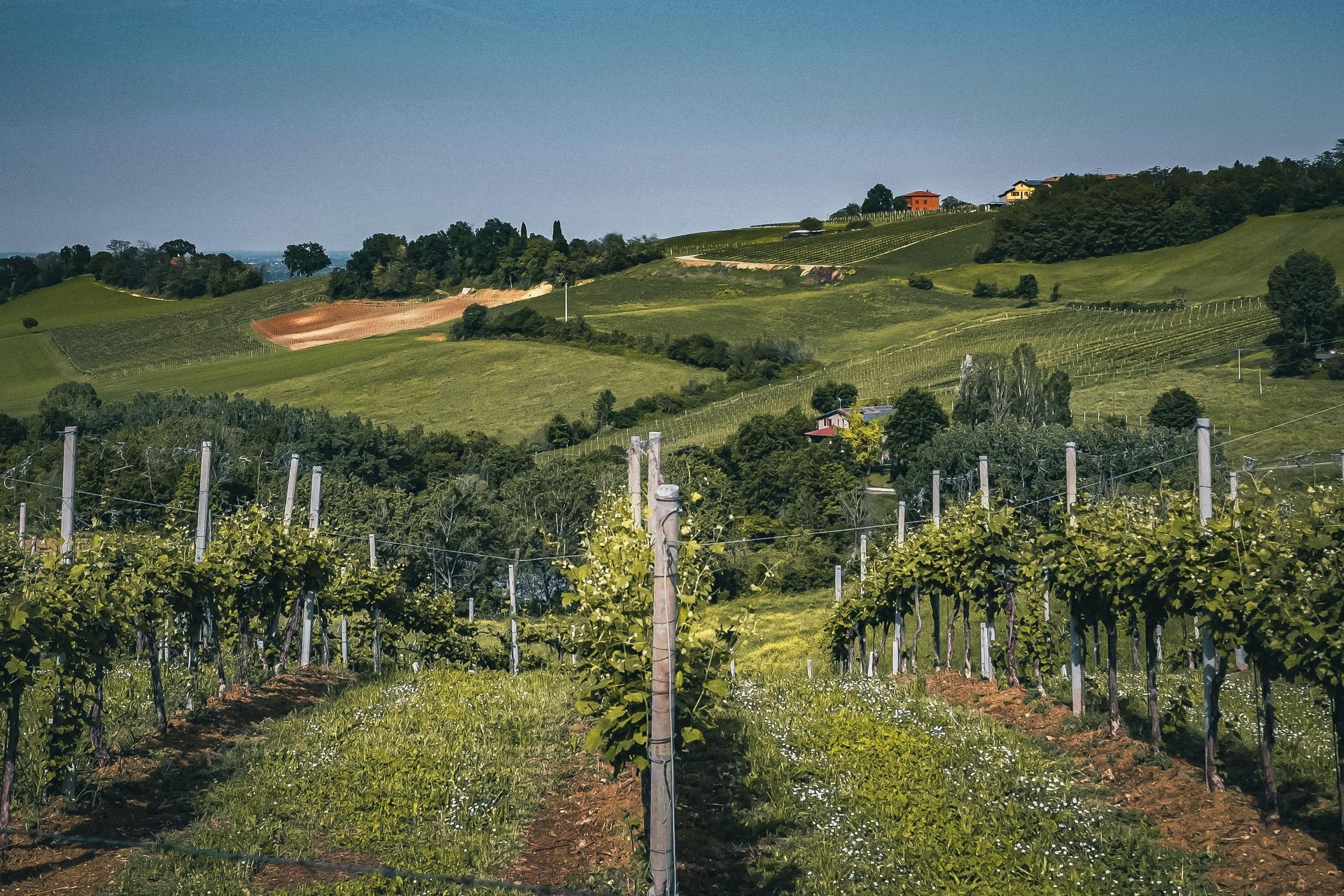
Italy: Unrushed Travel through the regions of Italy

How to Choose the Right Italian Region for Your Travel Style


Italy is not one experience — it is many, shaped by geography, history, and the particular rhythm of each place. The key to a truly satisfying Italian journey is not seeing all of Italy. It is choosing the part of Italy that aligns with how you love to travel.


When travelers feel overwhelmed by Italy, it is almost always because the region was wrong for their pace, their interests, or their expectations. When they feel completely at home, it is because the destination matched their style naturally — and they gave themselves enough time to settle into it.

Start With How You Want to Feel


Before choosing a region, step away from landmarks and logistics. Consider how you want your days to actually unfold.


Do you imagine slow mornings and long lunches, or energizing days with cultural layers stacked closely together? Are you drawn to countryside calm, coastal air, or cities shaped by centuries of food and history? Do you travel to recharge, to explore deeply, or to feel inspired by the texture of everyday life?

Italy rewards clarity. When the feeling comes first, the right region often becomes obvious.

For Travelers Who Love Gentle Rhythm and Landscape


If your ideal Italian days involve rolling scenery, village life, and meals that stretch into the evening, Tuscany resonates for good reason.


Travel here slows naturally. Life centers around markets, hilltowns, vineyards, and food rooted in season and place. Bistecca from the Chianina cattle of the Valdichiana. Pecorino aged in the cellars of Pienza. Mornings that smell like woodsmoke and espresso. This is a region for travelers who enjoy staying in one place, exploring outward, and letting the landscape set the pace rather than a schedule.

The key is not to rush it. Tuscany rewards those who stay long enough to walk the same road twice.

For Those Drawn to Food Traditions and Quiet Authenticity

Travelers who value culinary depth, agricultural roots, and understated beauty often feel most at home in Puglia.


Southern Italy moves to its own rhythm — unhurried, generous, and shaped by food traditions passed down through generations. Orecchiette handmade on cobblestone streets. Olive oil so present in the culture that locals measure seasons by the harvest. Whitewashed hilltowns that feel genuinely untouched. This region suits travelers who prefer authenticity over polish and who find deep satisfaction in simple, rooted experiences.


For Culture Lovers Who Enjoy Elegance and Refinement

If your travel style leans toward historic cities, serious wine culture, and refined food experiences, Piedmont offers a quieter kind of sophistication that rewards attention.


This is a place for travelers who appreciate subtlety — less spectacle, more substance. Barolo and Barbaresco from vineyards that have been farmed the same way for centuries. White truffles shaved tableside in Alba each autumn. Meals that are intentional, unhurried, and deeply considered. Culture here reveals itself through conversation, craftsmanship, and time spent at the table.

For Coastal Souls Who Value Beauty and Daily Life


Travelers drawn to the sea, colorful villages, and a blend of natural beauty and everyday simplicity often connect strongly with Liguria.


This narrow coastal region — backed by mountains, facing the Mediterranean — encourages wandering rather than planning. Harbors full of fishing boats. Pesto made with basil grown in terraced gardens above the sea. Paths between villages that have been walked for centuries. It is ideal for travelers who want scenery woven into daily life, where the landscape and the food and the rhythm of the day feel inseparable.


Why Fewer Regions Create a Better Experience


Once the right region is chosen, the most important next step is restraint.

Italy does not reward hopping quickly from place to place. Staying longer in one region allows you to experience its full personality — its food, its cadence, its people. The best meals come on the third or fourth day, when the owner recognizes you. The best mornings are the ones with nowhere particular to be.

When travelers try to combine too many regions, Italy begins to blur. When they choose one that truly fits and give it time, the experience sharpens and deepens into something genuinely memorable.


Italy, Designed Around You


There is no universally best Italian region — only the one that fits you. Choosing thoughtfully transforms Italy from a beautiful destination into a meaningful experience.

For travelers who value culture, cuisine, and connection, the right region paired with unrushed pacing makes all the difference. Italy does not need to be conquered. It needs to be savored.

Explore. Savor. Connect.


Not sure which Italy is right for you? That's exactly the kind of conversation I love to have. Tell me how you want to feel, and we'll find the Italy that fits..
By Althea Wyman January 19, 2026
I taly has a way of inviting travelers to slow down—if they let it. Yet many itineraries do the opposite, packing in cities, hotels, and transit days that leave travelers checking boxes instead of feeling connected. While it can be tempting to “see as much as possible,” the most rewarding Italian journeys often come from doing less, not more. Choosing fewer bases is not about missing out. It is about experiencing Italy the way it reveals itself best—through rhythm, repetition, and presence. Italy Is Meant to Be Lived, Not Sampled Italy is not a destination that unfolds quickly. Its culture is layered, local, and deeply tied to daily routines. When you stay in one place long enough, patterns emerge. You notice when the bakery opens, which café fills with locals in the afternoon, and how evenings stretch long over dinner and conversation. Moving every one or two nights interrupts that flow. You spend valuable time packing, checking out, navigating trains or highways, and orienting yourself again—often just as a place is beginning to feel familiar. Fewer bases allow Italy to feel lived in rather than passed through. Travel Days Carry a Hidden Cost On paper, traveling between Italian cities can look easy. In reality, transition days take more energy than most travelers expect. Even short distances involve logistics, timing, and mental bandwidth. Those days quietly consume the time meant for wandering, lingering, and discovery. When itineraries are designed with fewer hotel changes, travel days become intentional rather than disruptive. You are not rushing to “make it all fit.” Instead, you settle in and let the destination meet you where you are. Staying Put Deepens Cultural Connection Italy’s magic often lies in the everyday moments: greeting the same shopkeeper twice, returning to a restaurant because it felt right, or being recognized at a local café. These moments rarely happen when you are constantly on the move. Longer stays create space for meaningful experiences—market visits that are not rushed, conversations with local guides who become familiar faces, and meals that stretch beyond the expected hour. Culture stops feeling curated and begins to feel personal. One Base, Many Possibilities Choosing fewer bases does not mean limiting what you see. It often expands it. From a well-chosen base, day trips unfold naturally. Hill towns, vineyards, coastal villages, and countryside landscapes become easy extensions of where you are staying. You return each evening to a place that feels comfortable and familiar, rather than starting over somewhere new. This approach creates a sense of balance—exploration paired with grounding, discovery paired with rest. Why This Matters for How You Feel Travel should not feel like an endurance test. Italy, especially, is meant to be savored. When itineraries allow for breathing room, travelers return home restored rather than depleted. They remember flavors, conversations, and moments of stillness—not just landmarks. Fewer bases create journeys that feel calmer, richer, and more intentional. They allow Italy’s pace to shape the experience, rather than forcing Italy to conform to a schedule. A Thoughtfully Paced Italy Designing an Italian journey with fewer bases is a deliberate choice—one that prioritizes depth over distance and meaning over momentum. It reflects an understanding that the most memorable travel moments are not always planned, but they require space to happen. For travelers who value culture, cuisine, and connection, staying put is not a compromise. It is the very thing that allows Italy to reveal itself fully. Explore. Savor. Connect. When Italy is experienced with intention and unrushed pacing, it becomes more than a destination. It becomes a place you remember how to be.
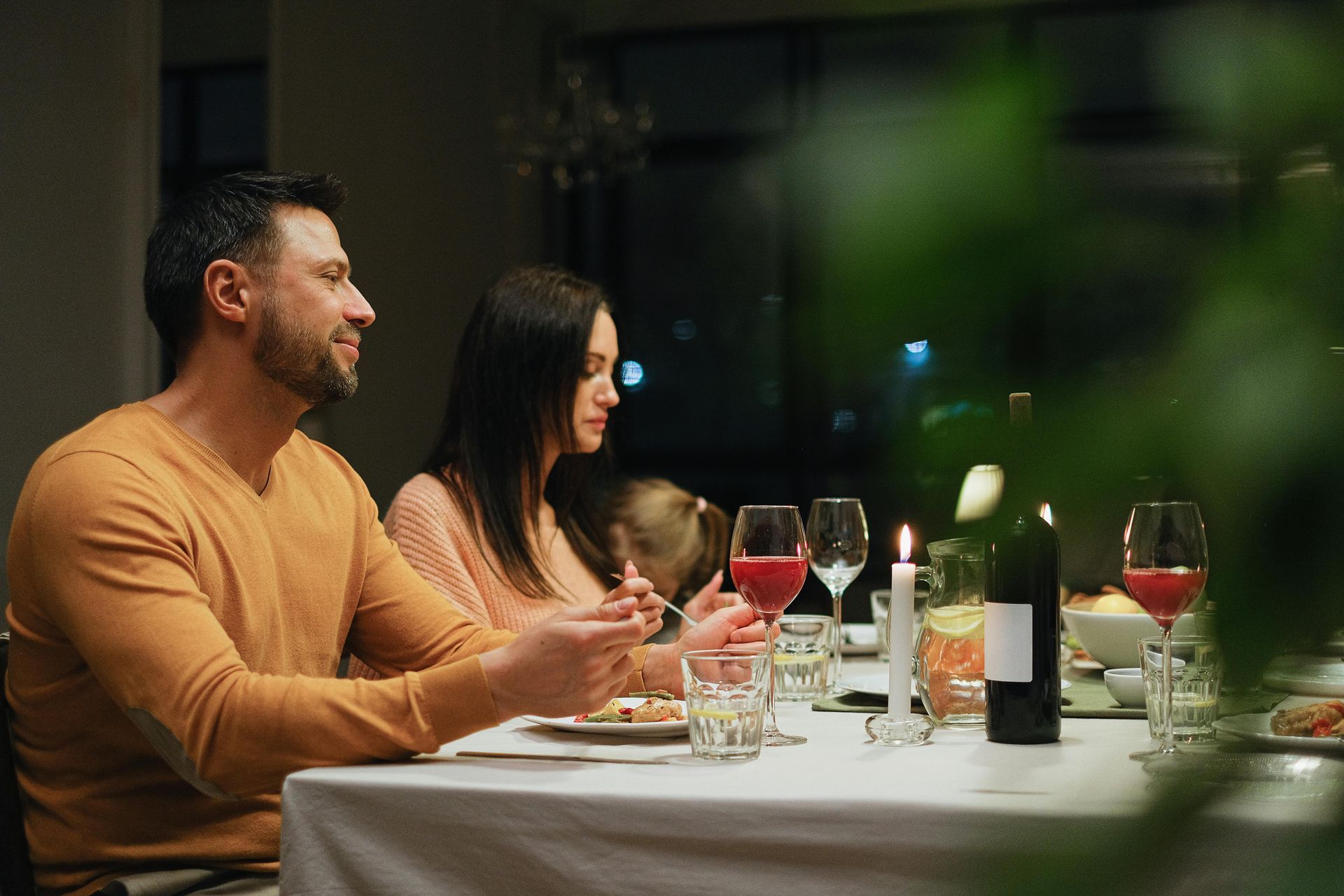
Couple at a dinner table, lit by candles and wine glasses, with food and a bottle of wine.
December 15, 2025
Thoughtfully paced journeys for travelers who want real culture, memorable meals, and time to actually enjoy both.
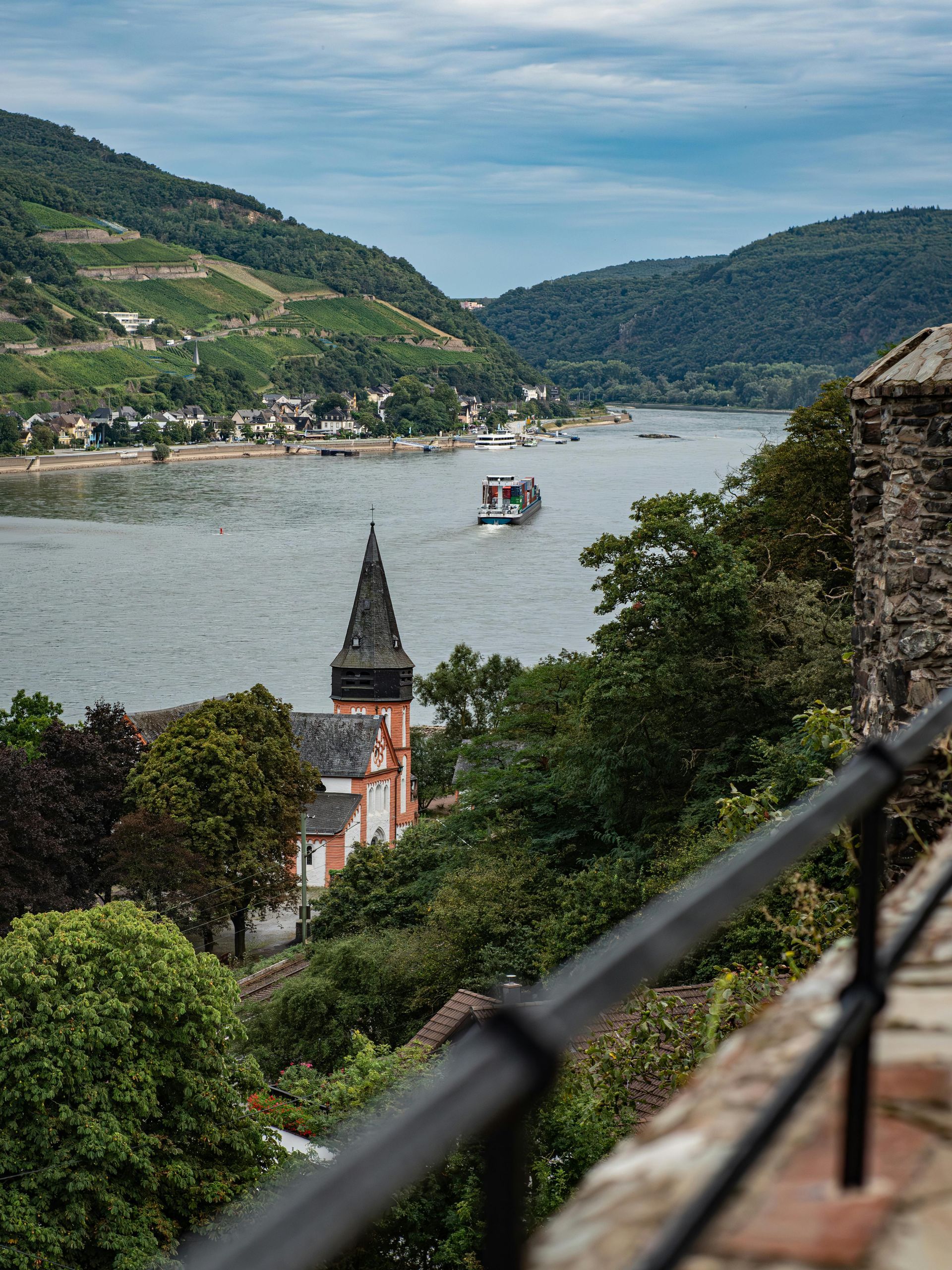
River cruise boat on Rhine River, church with tall spire, and hills with vineyards.
By Althea Wyman December 15, 2025
Exploring Europe one river, one meal, one story at a time Explore. Savor. Connect
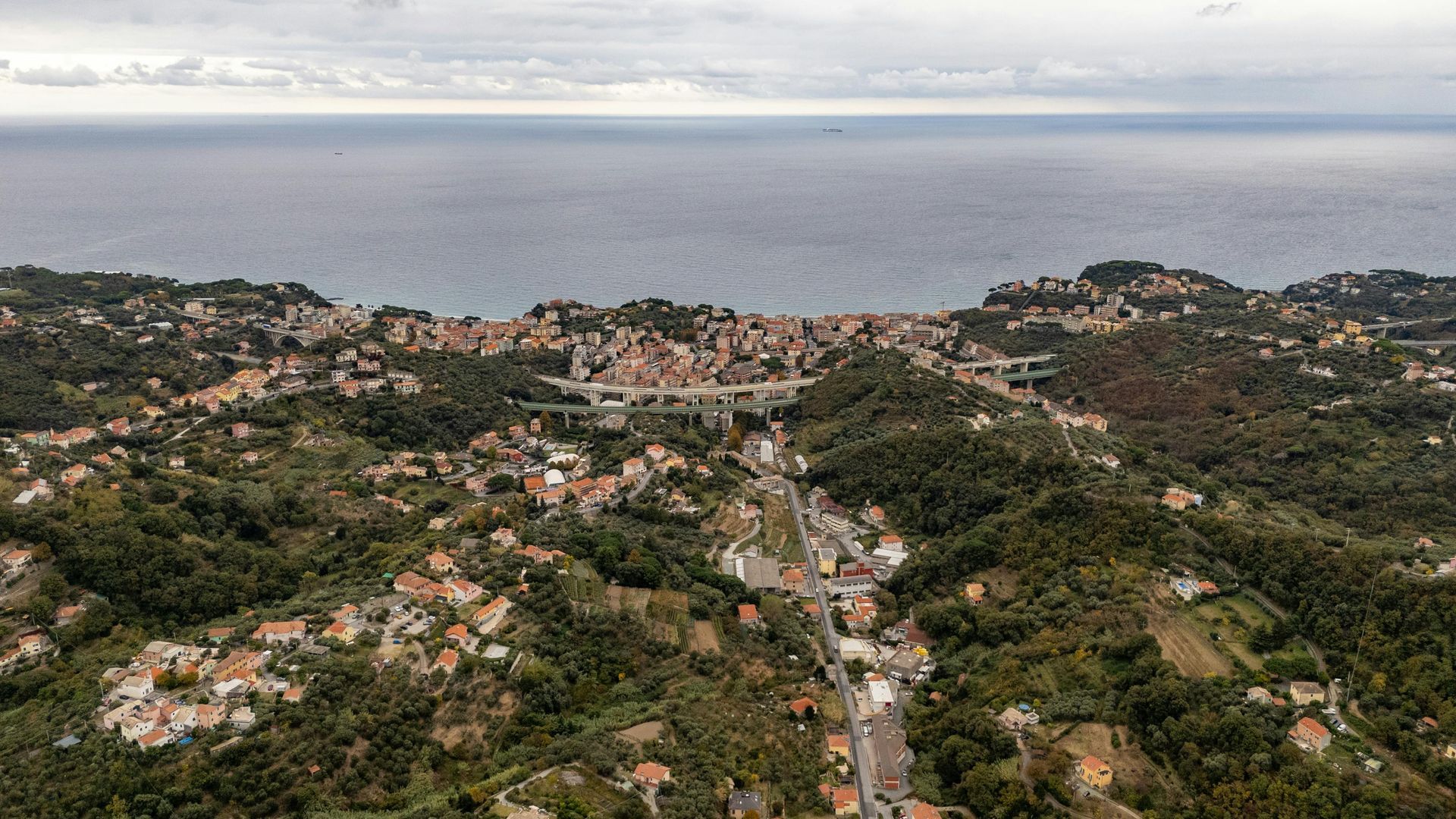
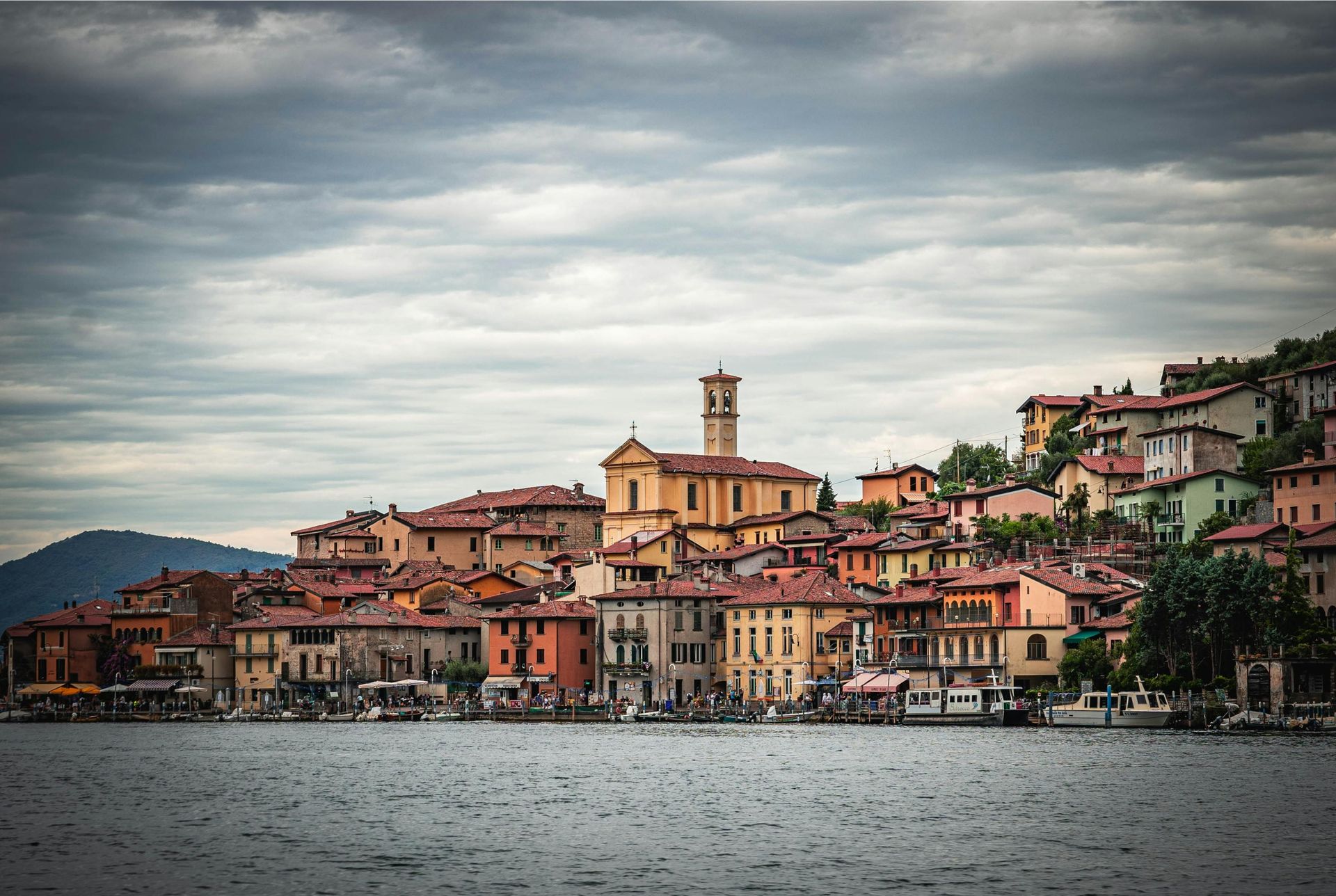
Coastal town nestled in green hills, overlooking the sea under a cloudy sky.
By Althea Wyman October 31, 2025
Ligurian and Tuscan gems for culinary & culture lovers
Peace of mind when planning your next vacation.
By Althea Wyman September 10, 2025
The Peace of Mind Luxury Travelers Crave What Google or AI Will Never Deliver
Cultural Gems
By Althea Wyman September 10, 2025
Is South Korea the hidden Gem in culture travel? And why now is the perfect time to travel.
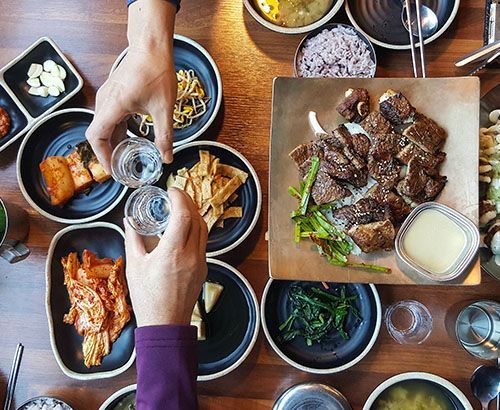
Two people toasting shots over a Korean meal, featuring various side dishes and grilled mushrooms.
By Althea Wyman September 5, 2025
A Setters Point Journey: When Food and Culture Intertwine Travel is more than going somewhere new—it is about feeling the heartbeat of a place. At Setters Point Travels, that heartbeat often begins at the table. Food is where history, faith, family, and daily life intersect, which is why every journey is designed to help you taste the story of a destination, not just see the sights. Why Food Is at the Center of Your Journey On a Setters Point journey, food is never “just a meal.” It is your cultural compass. In Italy, a simple plate of pasta changes from town to town, shaped by local ingredients, age-old techniques, and family traditions passed quietly from one generation to the next. In South Korea, banchan (small side dishes), kimchi, and steaming bowls of jjigae reflect seasons, community, and the art of balance and harmony at the table. In Alaska, salmon, halibut, and wild game carry stories of the land, the sea, and the people who have depended on them for generations. Every bite connects you to where you are and to the people who created it. Explore. Savor. Connect. By following the food, you naturally discover the culture that surrounds it. How Food Brings You Into the Story Meals have a way of opening doors that guidebooks cannot. When you share a table, you do more than eat—you listen, laugh, and learn. Joining a cooking class in a Tuscan kitchen becomes a conversation about family, seasons, and celebration. Sitting on the floor of a traditional Korean restaurant introduces you to local etiquette, generosity, and the joy of sharing many dishes. Enjoying a seafood feast in a small Alaskan town invites stories of fishing seasons, traditions, and life in the Last Frontier. These moments turn strangers into hosts and hosts into friends, leaving you with memories that linger long after the meal ends. How Place Shapes the Plate Food always reflects the land and lifestyle around it. That is part of what makes traveling through flavor so powerful. Coastal communities lean into the sea, serving dishes that taste like salt air and sunshine. Mountain and forest regions lean into hearty recipes, comfort foods, and what can be gathered, hunted, or grown in cooler climates. Cities become a tapestry of influences—old recipes meeting new ideas, traditional markets sitting beside sleek cafés and modern dining. When you explore a destination through its food, you begin to understand how people live, work, worship, and celebrate in that specific place. From Tradition to Innovation Cuisines are never static; they grow and adapt just like the people who create them. A Setters Point journey highlights both deep roots and fresh creativity. You might: Taste classic dishes prepared the traditional way, then enjoy a contemporary twist on the same flavors at a chef-driven restaurant. Learn how longtime food customs are being preserved, even as new influences and techniques add exciting layers. See how younger generations reinterpret their heritage through food, drink, and hospitality. In every case, you witness a living culture—one that honors its past while embracing its future. Why This Style of Travel Fits You Setters Point travelers are drawn to journeys that feel intentional, unhurried, and deeply connected to the places they visit. They appreciate: Boutique hotels and character-filled stays that match the feel of the destination. Small-group or private experiences where there is space for conversation and curiosity. Itineraries built around markets, food tours, hands-on classes, and local guides, rather than a race from one landmark to the next. Food becomes the thread that ties each day together, turning your trip into a rich, layered story instead of a checklist. Your Culinary Journey, Seamlessly Planned At Setters Point Travels, every detail is handled so you can stay present—from the first planning conversation to the last cup of coffee before you fly home. Your journey might include: Market visits with local experts. Cooking classes and tastings tailored to your interests. Restaurant reservations chosen for soul and quality, not just online ratings. Thoughtful pacing, comfortable transfers, and boutique stays that support the way you like to travel. You get to immerse yourself in the flavors and rhythms of each place, without worrying about logistics. Explore. Savor. Connect. If your idea of a perfect trip is one where food and culture are intertwined at every turn—where you return home both refreshed and inspired—it is time to plan your own Setters Point journey. Ready to let food lead the way? Contact Setters Point Travels today to start designing a culinary adventure that feels as nourishing to your soul as it is to your palate.
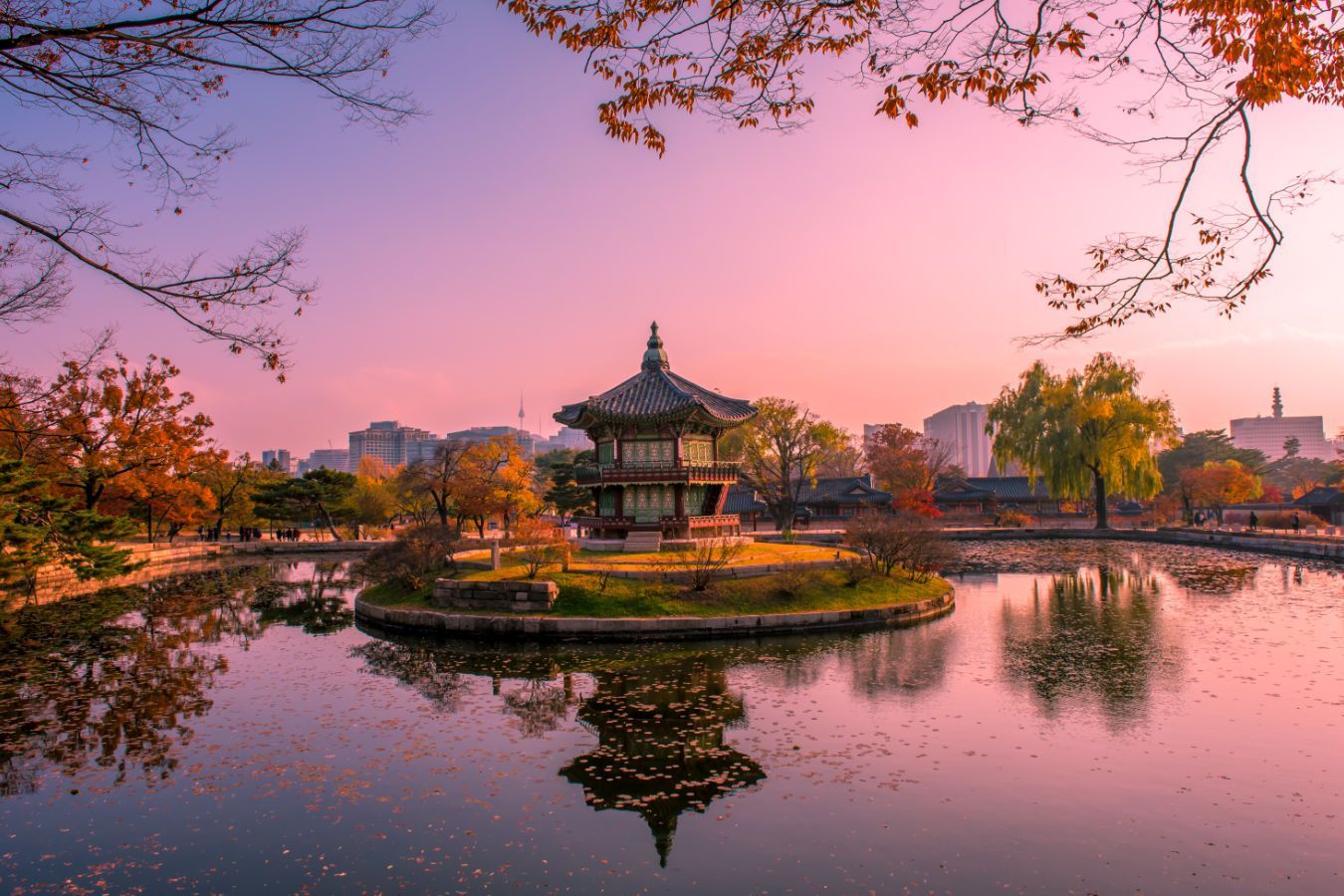
A serene view of a traditional Korean pavilion in a pond, autumn foliage, sunset.
By Althea Wyman August 28, 2025
South Korea is one of Asia’s most captivating destinations—a place where ancient traditions and contemporary life exist in effortless balance. For travelers drawn to boutique stays, layered flavors, and meaningful cultural connection, it offers a journey that feels both energizing and deeply restorative. This is a country where hospitality is sincere, daily life is rich with ritual, and food is the natural gateway to understanding it all. A Culture That Welcomes You In Warmth and generosity are woven into Korean culture in ways visitors feel almost immediately. Care is often expressed through food, small gestures, and genuine curiosity about where you come from. Sharing a table—whether in a quiet neighborhood restaurant or a lively market—quickly transforms a visit into a relationship. Conversations unfold easily, and moments that begin as ordinary often become quietly memorable. Landscapes for Both Wonder and Ease With mountains covering much of the peninsula, South Korea offers an ever-changing natural backdrop. Temple-dotted hills, coastal paths, and island trails invite exploration at a comfortable pace. In places like Seoraksan, dramatic peaks inspire reflection, while the volcanic landscapes of Jeju Island provide a softer, elemental beauty. Each season brings its own character—blossoms in spring, deep greens in summer, vivid foliage in autumn, and crisp stillness in winter—making return visits feel entirely new. Cafés, Markets, and Neighborhood Rhythms South Korea’s neighborhoods each carry a distinct personality. Stylish cafés and dessert bars coexist with traditional tea houses, night markets, and intimate wine or soju spots. An afternoon might unfold along a quiet street lined with hanok homes, followed by an evening in a lively district filled with music, conversation, and late-night snacks—often just a short subway ride away. A Food Scene That Tells the Whole Story Food in South Korea is an expression of balance, seasonality, and shared experience. Sizzling barbecues, bubbling stews, elegant temple cuisine, and comforting bowls of rice and vegetables are accompanied by banchan—small dishes that change with the seasons and reflect regional identity. Meals are designed to be shared, turning each dining experience into an opportunity for connection, storytelling, and discovery. Living History in Everyday Spaces History in South Korea is not confined to museums. Palaces, hanok villages, Buddhist temples, and traditional markets remain active parts of daily life. In Gyeongbokgung Palace, centuries-old architecture sits confidently beside modern cityscapes, while contemporary art, design, and music continue to shape the country’s creative energy. It is entirely natural to explore a historic site in the morning and enjoy cutting-edge culture in the evening, without ever feeling removed from the authentic rhythm of the place. A Journey Designed to Be Felt For travelers ready to move beyond predictable routes and experience a destination through its food, people, and daily life, South Korea is an exceptional choice. When your journey is thoughtfully designed—with intentional pacing, meaningful experiences, and room to linger—you return home not only inspired, but genuinely connected. Explore. Savor. Connect. When you are ready to experience South Korea in a way that brings its many layers together—beautifully and seamlessly—your Setters Point journey can be crafted to reflect the way you love to travel.
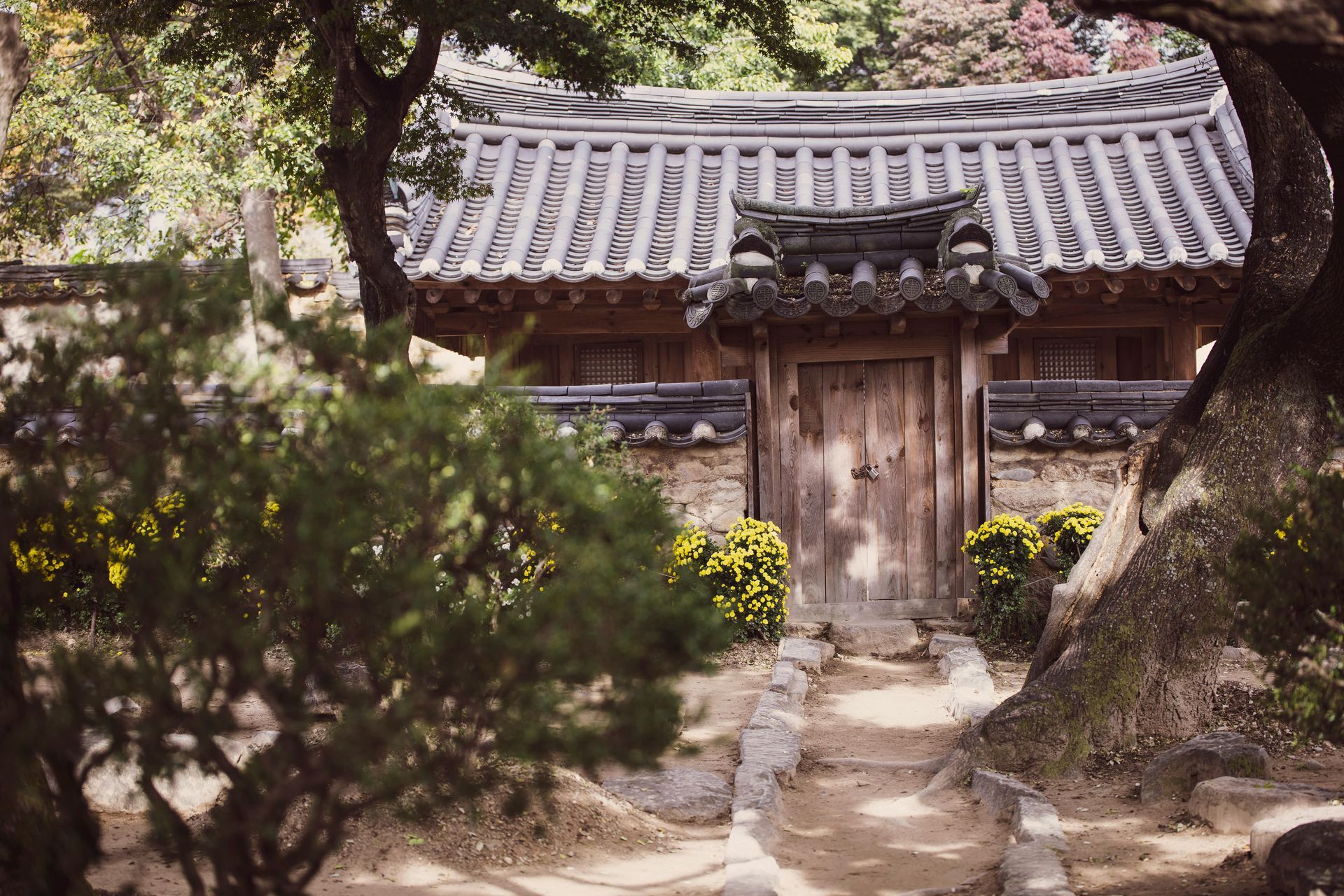
Traditional Korean wooden gate and building with tiled roof and stone path.
By Althea Wyman November 18, 2024
The beauty of South Korea
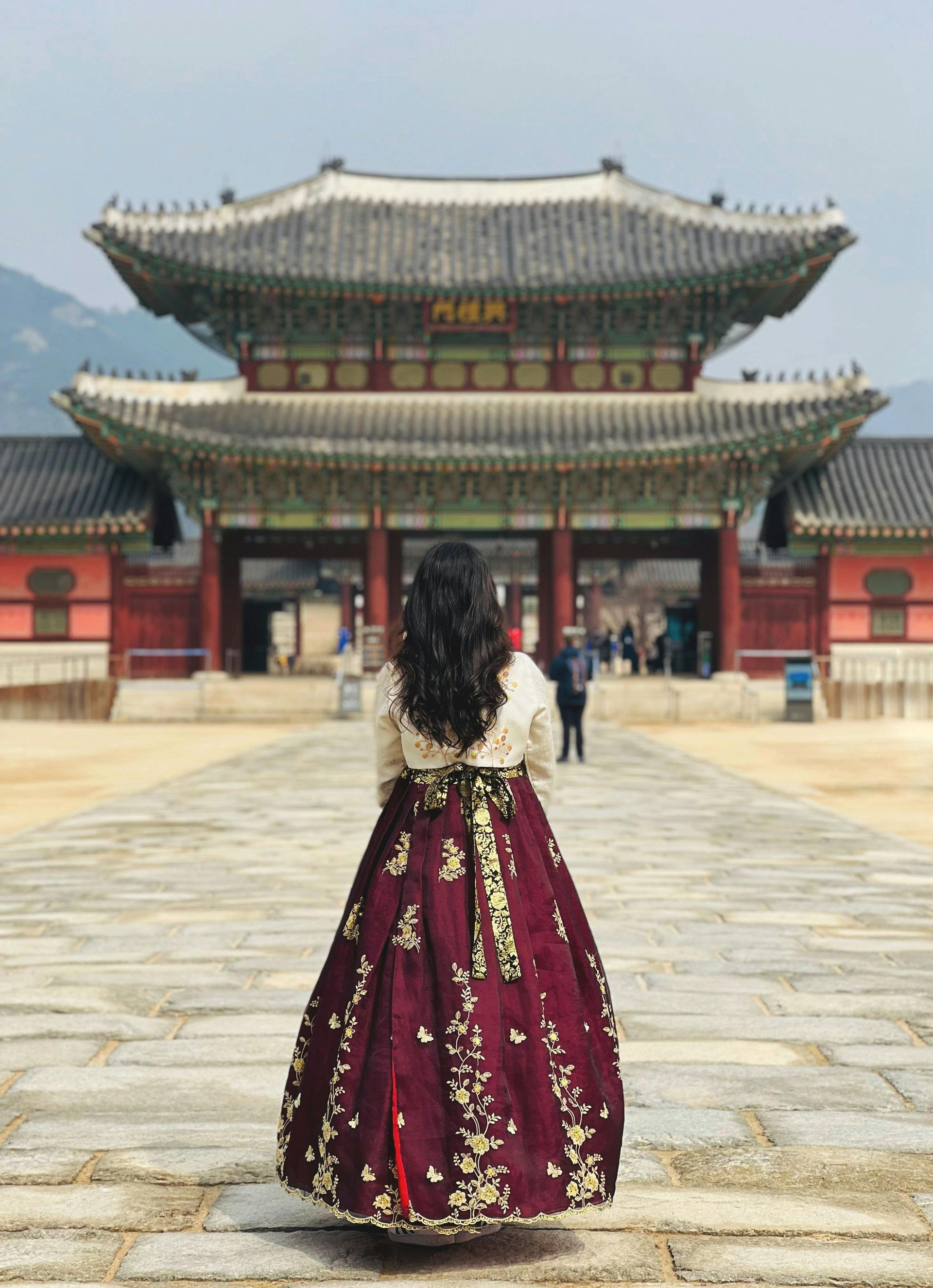
Woman in hanbok facing a Korean palace entrance, maroon skirt, long black hair.
By Althea Wyman November 14, 2024
Beauty of South Korea