Why Fewer Bases Create a Better Italy Experience
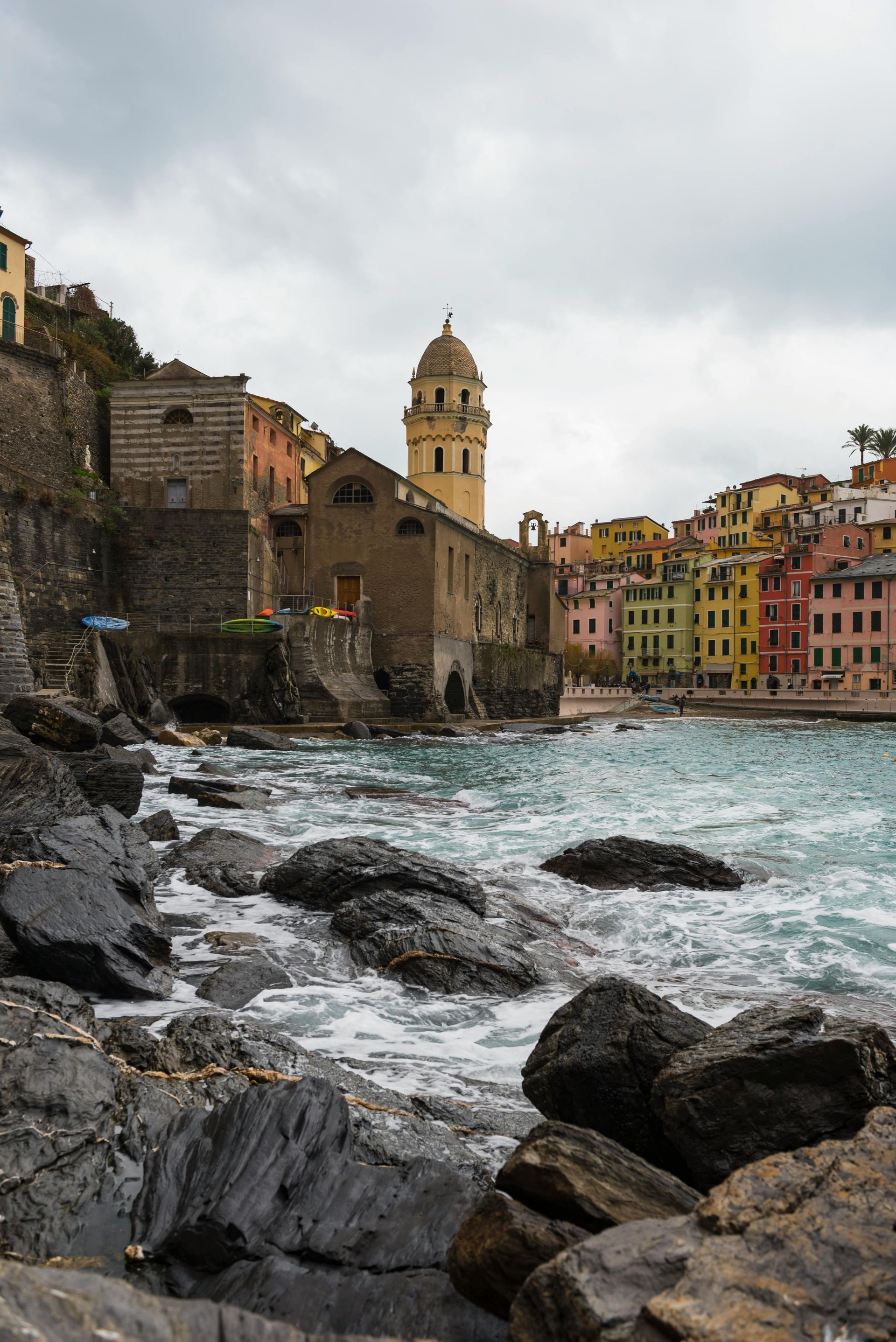
Italy has a way of inviting travelers to slow down—if they let it. Yet many itineraries do the opposite, packing in cities, hotels, and transit days that leave travelers checking boxes instead of feeling connected. While it can be tempting to “see as much as possible,” the most rewarding Italian journeys often come from doing less, not more.
Choosing fewer bases is not about missing out. It is about experiencing Italy the way it reveals itself best—through rhythm, repetition, and presence.
Italy Is Meant to Be Lived, Not Sampled
Italy is not a destination that unfolds quickly. Its culture is layered, local, and deeply tied to daily routines. When you stay in one place long enough, patterns emerge. You notice when the bakery opens, which café fills with locals in the afternoon, and how evenings stretch long over dinner and conversation.
Moving every one or two nights interrupts that flow. You spend valuable time packing, checking out, navigating trains or highways, and orienting yourself again—often just as a place is beginning to feel familiar. Fewer bases allow Italy to feel lived in rather than passed through.
Travel Days Carry a Hidden Cost
On paper, traveling between Italian cities can look easy. In reality, transition days take more energy than most travelers expect. Even short distances involve logistics, timing, and mental bandwidth. Those days quietly consume the time meant for wandering, lingering, and discovery.
When itineraries are designed with fewer hotel changes, travel days become intentional rather than disruptive. You are not rushing to “make it all fit.” Instead, you settle in and let the destination meet you where you are.
Staying Put Deepens Cultural Connection
Italy’s magic often lies in the everyday moments: greeting the same shopkeeper twice, returning to a restaurant because it felt right, or being recognized at a local café. These moments rarely happen when you are constantly on the move.
Longer stays create space for meaningful experiences—market visits that are not rushed, conversations with local guides who become familiar faces, and meals that stretch beyond the expected hour. Culture stops feeling curated and begins to feel personal.
One Base, Many Possibilities
Choosing fewer bases does not mean limiting what you see. It often expands it.
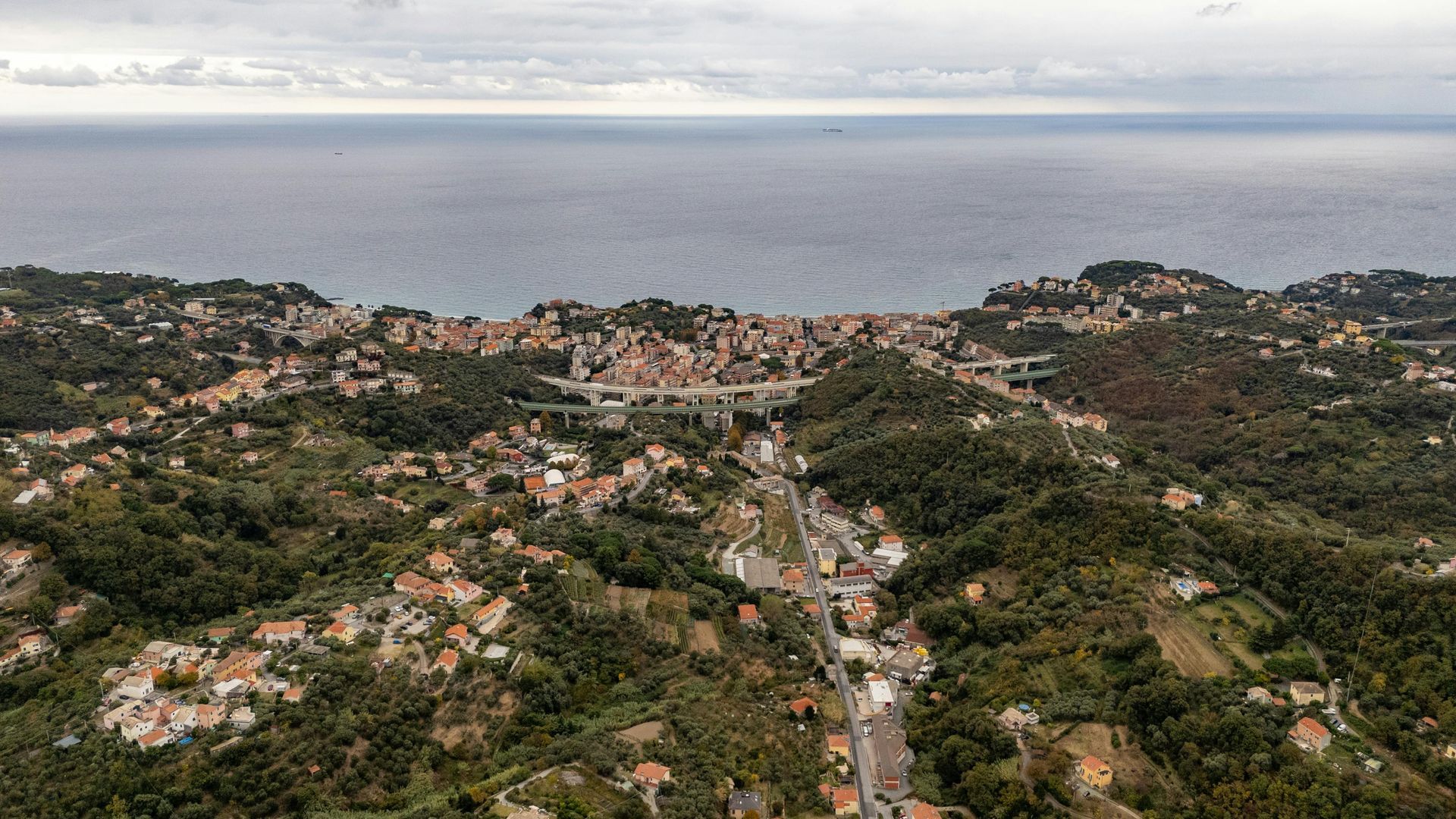
From a well-chosen base, day trips unfold naturally. Hill towns, vineyards, coastal villages, and countryside landscapes become easy extensions of where you are staying. You return each evening to a place that feels comfortable and familiar, rather than starting over somewhere new.
This approach creates a sense of balance—exploration paired with grounding, discovery paired with rest.
Why This Matters for How You Feel
Travel should not feel like an endurance test. Italy, especially, is meant to be savored. When itineraries allow for breathing room, travelers return home restored rather than depleted. They remember flavors, conversations, and moments of stillness—not just landmarks.
Fewer bases create journeys that feel calmer, richer, and more intentional. They allow Italy’s pace to shape the experience, rather than forcing Italy to conform to a schedule.
A Thoughtfully Paced Italy
Designing an Italian journey with fewer bases is a deliberate choice—one that prioritizes depth over distance and meaning over momentum. It reflects an understanding that the most memorable travel moments are not always planned, but they require space to happen.
For travelers who value culture, cuisine, and connection, staying put is not a compromise. It is the very thing that allows Italy to reveal itself fully.
Explore. Savor. Connect.
When Italy is experienced with intention and unrushed pacing, it becomes more than a destination. It becomes a place you remember how to be.