Althea Wyman • October 7, 2026

From a Webinar to a Dream Come True: My Korea Tourism Organization Grand Prize Win

A few days ago, I opened an email that I thought would tell me who had won the Korea Tourism Organization’s “12 Colors of Korean Cities” Grand Prize.

Then I read the first words.

“Dear Althea: Congratulations!”

I was the winner.

Even now, a few days later, it still feels like a dream.

To explain why this means so much to me, I have to go back to a webinar in March—and an invitation to learn more about a country I have long dreamed of visiting.


Our Mission, If We Chose to Accept


During that March webinar, the Korea Tourism Organization mentioned an upcoming campaign for U.S. travel advisors. Beginning in April 2026, the “12 Colors of Korean Cities” campaign would introduce us to the distinctive character of Korea’s regional cities.

There would be four quarters, each highlighting three cities. Each quarter would begin with a webinar to enhance our knowledge of those destinations.


Our mission, if we chose to accept: design a ten-day itinerary highlighting the three cities. After each webinar, we had two weeks before the submission deadline.


Each quarterly winner would receive a $500 Amazon gift card. There was also the opportunity to win the Grand Prize: a trip to South Korea.


I decided to join because I will take any chance to deepen my knowledge of South Korea, deepen my craft, and have fun designing Korean itineraries.


And, of course, there might be a prize at the end.

Traveling to South Korea is a huge dream of mine. I knew I could design and curate wonderful itineraries, but never in a million years did I expect to win.

Still, I was invested from the beginning.


What Makes This City Special?


I took each itinerary as seriously as if it were a trip for a client—or for myself.

My starting point was always a question: What makes this city so special?

Then came the questions that shape every journey I design.


How can a traveler really get to know this place? How can they explore, savor, and connect with the city, its flavors, and its people? What experiences could help them begin to understand its culture?


I wanted to find accommodations that belonged to the experience. A hotel with character, perhaps a connection to the city’s history, and a sense of welcome. Somewhere that could become a traveler’s home away from home.

In Jeju, I imagined finding that “Jeju home away from home”—a place to settle into and return to after a day of discovery.


Food was another essential part of the story. What should someone savor here? Which regional dishes, markets, or meals could reveal something about the place and the people who live there?

And what made each city distinctive enough that a traveler shouldn’t miss it?

Choosing those experiences was only part of the work. I also needed to bring them together into days that could be enjoyed.


I wanted time to appreciate a meal, ask another question, or stay a little longer somewhere unexpected. I wanted a traveler to feel comfortable with the plan and still have the flexibility for unknown stories to unfold.

When I design an itinerary, I want the story of the city to be honored. Its culture, food, traditions, and people deserve thoughtful attention.


That is the care behind Explore. Savor. Connect.


The First Two Quarters


The first quarter came and went. I didn’t win.

There was no individual feedback on the itineraries; we simply learned who had won that quarter. So I continued learning and looked forward to the next assignment.


The second quarter arrived. Again, I didn’t win.

This time, though, two additional advisors were acknowledged for having a “spot-on itinerary.” They would receive a Korean beauty basket.  I was honored to be one of those two advisors.  The gift was lovely, but the acknowledgment of my craft meant so much more.


I had put real thought and care into that itinerary. Knowing that someone had recognized it was deeply encouraging.

I wasn’t designing solely to win. I wanted to create journeys that honored the destinations. But if one of those journeys won, I knew I would be over the moon.


With every quarter, I learned more about this beautiful country—and more about myself.


Quarter Three: A Call I Won’t Forget

In the third quarter, I won.

And the decision was unanimous.

You could have knocked me over with a feather.

To receive that call, followed by the email, was such a wonderful surprise. The work I loved doing had been recognized in a way I had hardly allowed myself to imagine.


About an hour later, another thought finally caught up with me.

Right—I also won a gift card.


Then came the bigger realization: I was now one of four quarterly winners who might receive the Grand Prize trip to South Korea.


That dream suddenly felt a little closer.


The Waiting


The fourth quarter came and went. I didn’t win that round.

Then the deadline for the Grand Prize announcement arrived, and I heard nothing.

I thought, Okay, I didn’t win.


Later, I learned that the announcement had been extended by a couple of weeks. That deadline came and went too, still with no news.


I asked about the final results and received a general response saying they would be posted soon. I came away from it thinking I probably hadn’t won.


Eventually, I decided to move on from thinking about the outcome.

I had learned so much. I had enjoyed creating the itineraries. I had received acknowledgment that meant a great deal to me.


There was already so much to value in the experience.


Then the Email Came


When I saw the Grand Prize Winner headline, I thought they were finally announcing the person who would be going to Korea.


I opened the email—and it was addressed to me.


The Korea Tourism Organization had selected me as the Grand Prize Winner of its 2026 “12 Colors of Korean Cities” campaign.


Their message recognized all four of my submissions:


April 8: Danyang, Jeju, and Daegu

June 10: Boseong, Jeonju, and Suwon

July 7: Pyeongchang, Busan, and Seoul

August 5: Andong, Daejeon, and Gyeongju/Jeonju


They explained that my itineraries had consistently stood out for creativity, thoughtful planning, and a strong understanding of Korea’s diverse destinations. They also recognized how the cities had been combined into memorable, engaging travel experiences.

That is the part I keep returning to.

The recognition reflected the work across all four submissions. The questions, the research, the choices, and the care I had brought to every round had been seen.

I’m proud of the journeys I created. To have that work recognized by the Korea Tourism Organization itself is an honor I’m still taking in.


Why This Matters to Me—and to Your Journey

The campaign gave me a reason to study each destination more closely and consider how its experiences could become part of a meaningful trip.

It strengthened the work I love: looking at a place with curiosity, finding what makes it distinctive, and thinking carefully about how a traveler can experience it.

That same process guides the journeys I create for clients.

I want to understand what draws you to a destination. What you enjoy. How you like to spend your days. Which experiences might stay with you long after you return home.

Then I work to bring those pieces together—with thoughtful pacing, carefully chosen accommodations, local insight, and room to be present.

Food is often a starting point. A shared table can open a conversation about family, history, seasons, and traditions. It can turn something unfamiliar into a moment of connection.

That is why I believe the most meaningful journeys begin around a shared table.


Next Stop: South Korea


The Grand Prize includes round-trip airfare, four nights of accommodation, meals, and ground transfers associated with the program.


The travel details are still being arranged, and I’ll share more as plans are confirmed.

I’m excited to deepen my knowledge firsthand: to taste, listen, explore, and connect. To meet people and experience the places I have spent so much time learning about. To return with greater understanding and new ideas for the journeys I design.

But for now, I’m letting myself celebrate.

In March, I accepted an invitation to learn and create. I hoped there might be a prize at the end, but I never expected this.

A few days after that email, I still feel like it’s a dream.


If South Korea is a dream of yours too, I’d love to hear what draws you there. Let’s begin with a conversation.

Althea Wyman
Owner, Setters Point Travels

Explore. Savor. Connect.
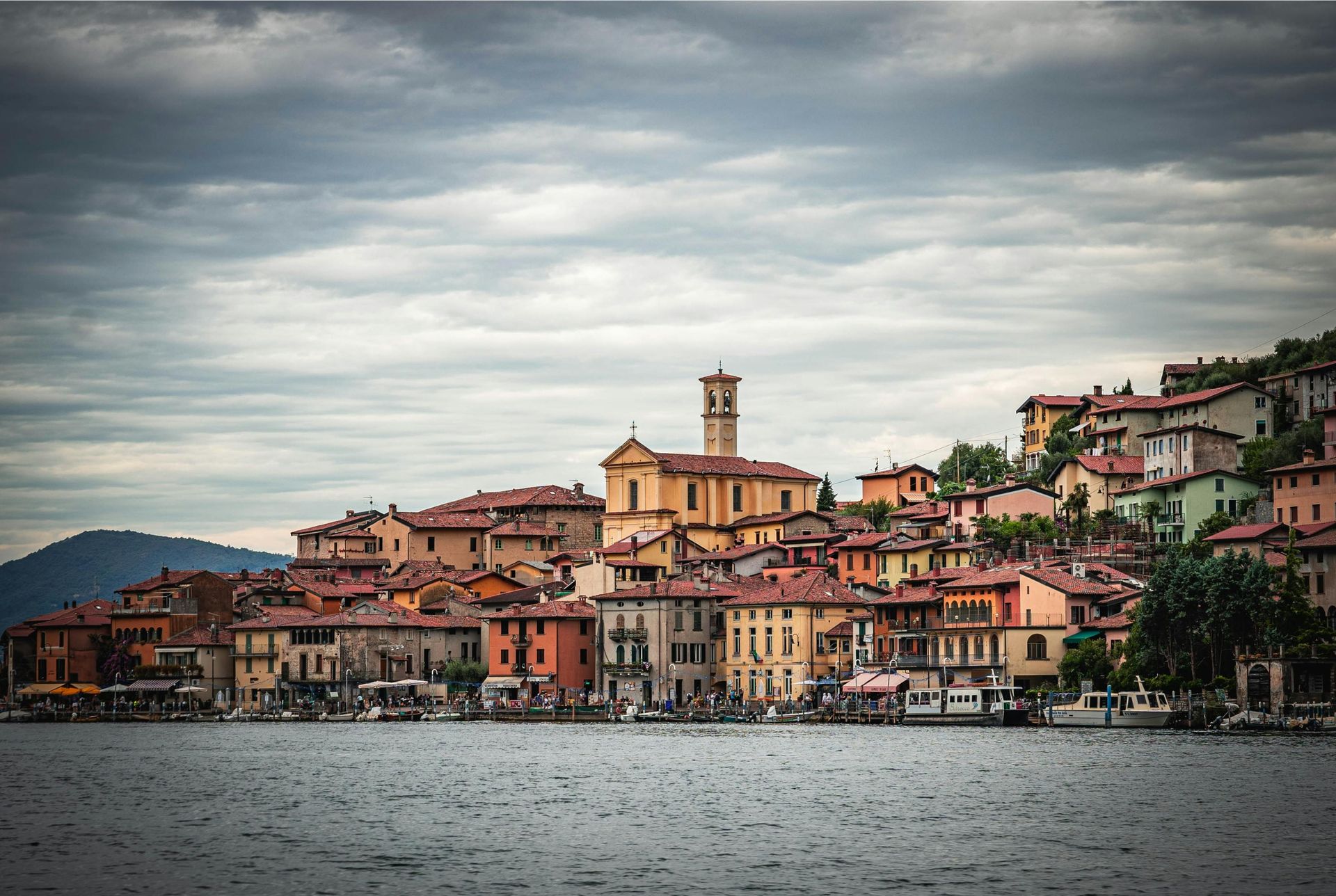
Italy Regions
By Althea Wyman • January 19, 2026
Learn how to choose the right Italian region for your travel style. Get personalized advice for an unforgettable trip!
By Althea Wyman • January 19, 2026
I taly has a way of inviting travelers to slow down—if they let it. Yet many itineraries do the opposite, packing in cities, hotels, and transit days that leave travelers checking boxes instead of feeling connected. While it can be tempting to “see as much as possible,” the most rewarding Italian journeys often come from doing less, not more. Choosing fewer bases is not about missing out. It is about experiencing Italy the way it reveals itself best—through rhythm, repetition, and presence. Italy Is Meant to Be Lived, Not Sampled Italy is not a destination that unfolds quickly. Its culture is layered, local, and deeply tied to daily routines. When you stay in one place long enough, patterns emerge. You notice when the bakery opens, which café fills with locals in the afternoon, and how evenings stretch long over dinner and conversation. Moving every one or two nights interrupts that flow. You spend valuable time packing, checking out, navigating trains or highways, and orienting yourself again—often just as a place is beginning to feel familiar. Fewer bases allow Italy to feel lived in rather than passed through. Travel Days Carry a Hidden Cost On paper, traveling between Italian cities can look easy. In reality, transition days take more energy than most travelers expect. Even short distances involve logistics, timing, and mental bandwidth. Those days quietly consume the time meant for wandering, lingering, and discovery. When itineraries are designed with fewer hotel changes, travel days become intentional rather than disruptive. You are not rushing to “make it all fit.” Instead, you settle in and let the destination meet you where you are. Staying Put Deepens Cultural Connection Italy’s magic often lies in the everyday moments: greeting the same shopkeeper twice, returning to a restaurant because it felt right, or being recognized at a local café. These moments rarely happen when you are constantly on the move. Longer stays create space for meaningful experiences—market visits that are not rushed, conversations with local guides who become familiar faces, and meals that stretch beyond the expected hour. Culture stops feeling curated and begins to feel personal. One Base, Many Possibilities Choosing fewer bases does not mean limiting what you see. It often expands it. From a well-chosen base, day trips unfold naturally. Hill towns, vineyards, coastal villages, and countryside landscapes become easy extensions of where you are staying. You return each evening to a place that feels comfortable and familiar, rather than starting over somewhere new. This approach creates a sense of balance—exploration paired with grounding, discovery paired with rest. Why This Matters for How You Feel Travel should not feel like an endurance test. Italy, especially, is meant to be savored. When itineraries allow for breathing room, travelers return home restored rather than depleted. They remember flavors, conversations, and moments of stillness—not just landmarks. Fewer bases create journeys that feel calmer, richer, and more intentional. They allow Italy’s pace to shape the experience, rather than forcing Italy to conform to a schedule. A Thoughtfully Paced Italy Designing an Italian journey with fewer bases is a deliberate choice—one that prioritizes depth over distance and meaning over momentum. It reflects an understanding that the most memorable travel moments are not always planned, but they require space to happen. For travelers who value culture, cuisine, and connection, staying put is not a compromise. It is the very thing that allows Italy to reveal itself fully. Explore. Savor. Connect. When Italy is experienced with intention and unrushed pacing, it becomes more than a destination. It becomes a place you remember how to be.
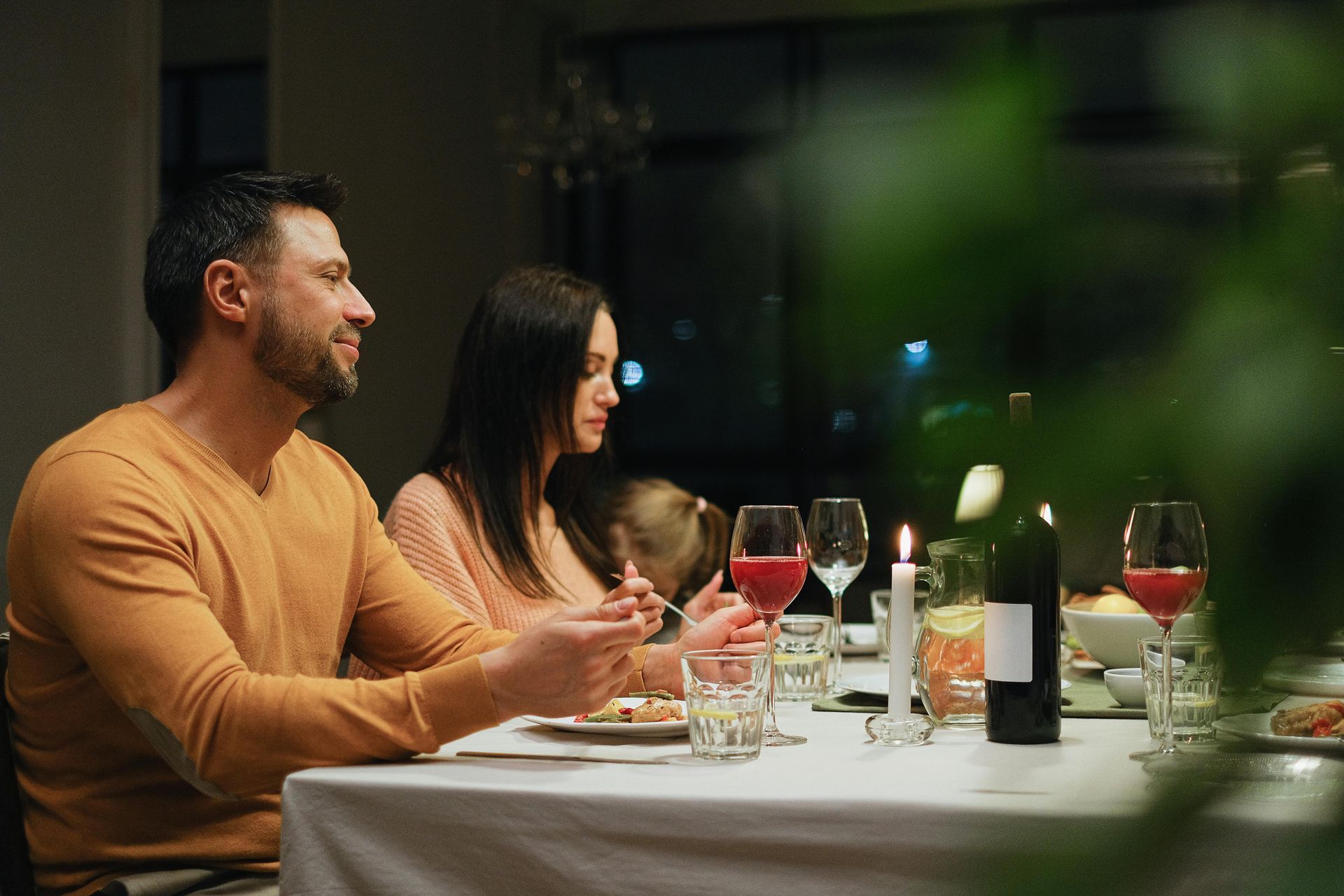
Couple at a dinner table, lit by candles and wine glasses, with food and a bottle of wine.
December 15, 2025
Thoughtfully paced journeys for travelers who want real culture, memorable meals, and time to actually enjoy both.
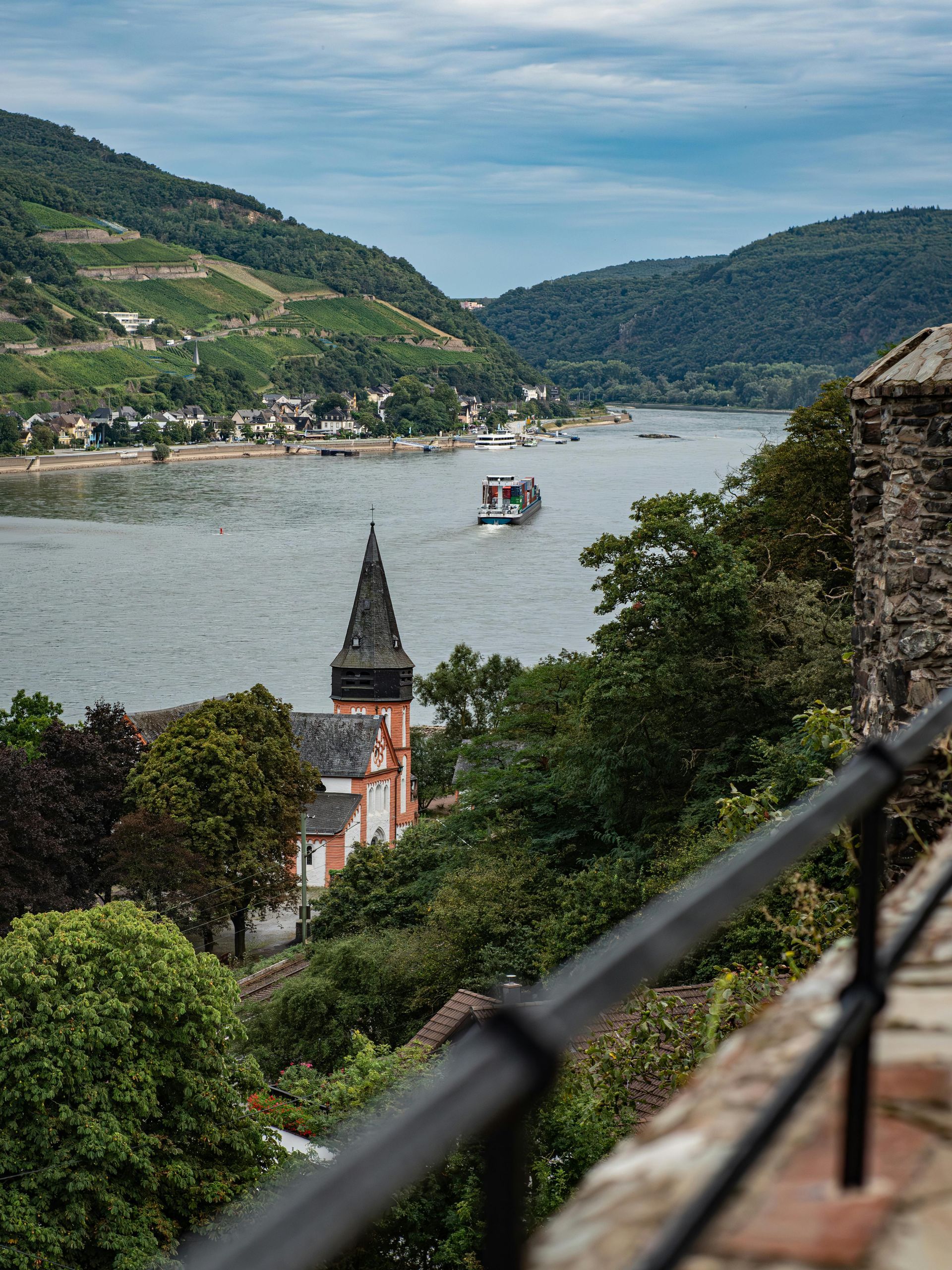
River cruise boat on Rhine River, church with tall spire, and hills with vineyards.
By Althea Wyman • December 15, 2025
Exploring Europe one river, one meal, one story at a time Explore. Savor. Connect
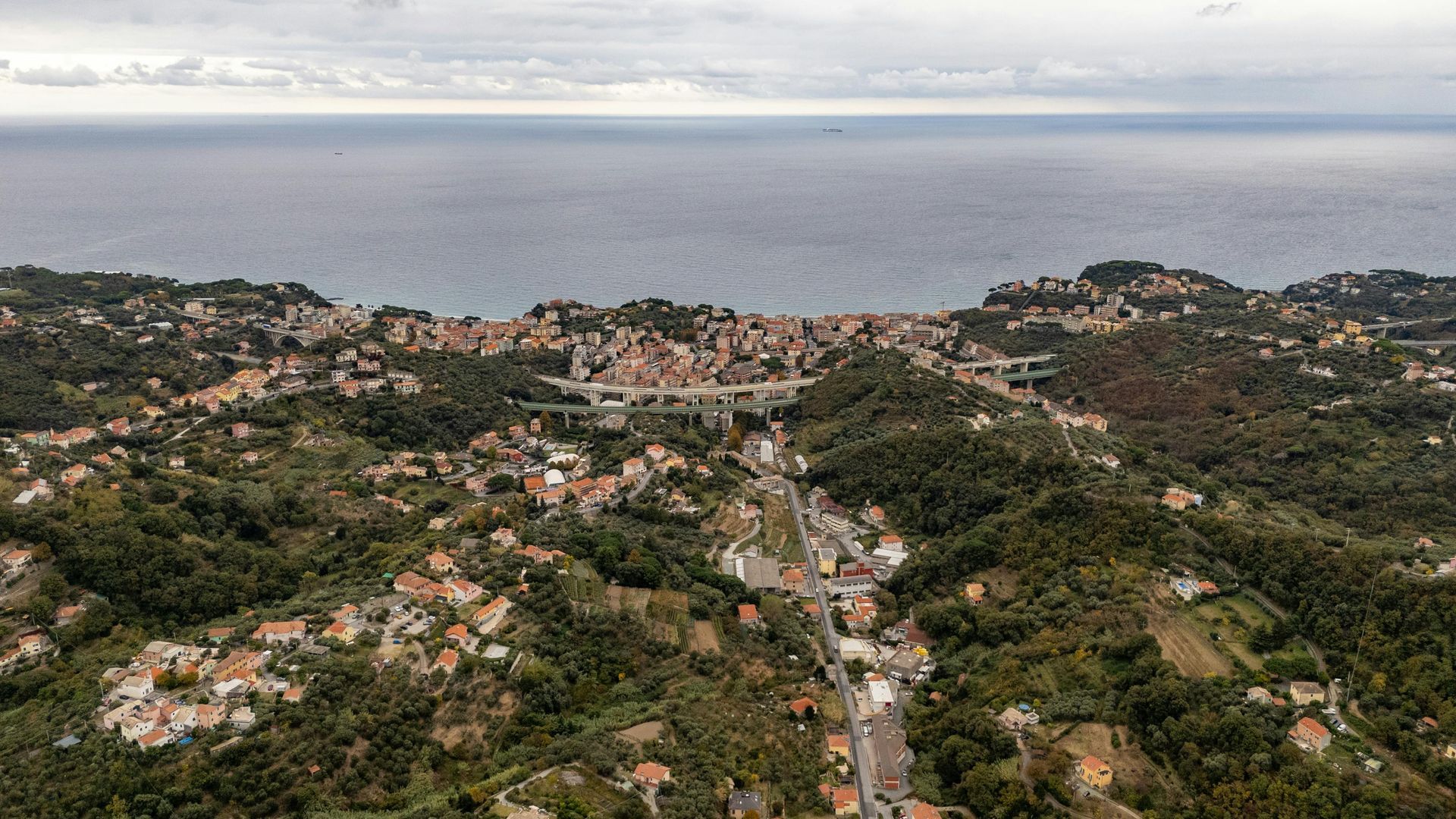
Coastal town nestled in green hills, overlooking the sea under a cloudy sky.
By Althea Wyman • October 31, 2025
Ligurian and Tuscan gems for culinary & culture lovers
Peace of mind when planning your next vacation.
By Althea Wyman • September 10, 2025
The Peace of Mind Luxury Travelers Crave What Google or AI Will Never Deliver
Cultural Gems
By Althea Wyman • September 10, 2025
Is South Korea the hidden Gem in culture travel? And why now is the perfect time to travel.
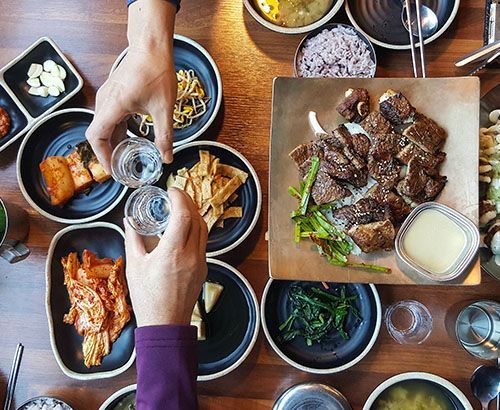
Two people toasting shots over a Korean meal, featuring various side dishes and grilled mushrooms.
By Althea Wyman • September 5, 2025
A Setters Point Journey: When Food and Culture Intertwine Travel is more than going somewhere new—it is about feeling the heartbeat of a place. At Setters Point Travels, that heartbeat often begins at the table. Food is where history, faith, family, and daily life intersect, which is why every journey is designed to help you taste the story of a destination, not just see the sights. Why Food Is at the Center of Your Journey On a Setters Point journey, food is never “just a meal.” It is your cultural compass. In Italy, a simple plate of pasta changes from town to town, shaped by local ingredients, age-old techniques, and family traditions passed quietly from one generation to the next. In South Korea, banchan (small side dishes), kimchi, and steaming bowls of jjigae reflect seasons, community, and the art of balance and harmony at the table. In Alaska, salmon, halibut, and wild game carry stories of the land, the sea, and the people who have depended on them for generations. Every bite connects you to where you are and to the people who created it. Explore. Savor. Connect. By following the food, you naturally discover the culture that surrounds it. How Food Brings You Into the Story Meals have a way of opening doors that guidebooks cannot. When you share a table, you do more than eat—you listen, laugh, and learn. Joining a cooking class in a Tuscan kitchen becomes a conversation about family, seasons, and celebration. Sitting on the floor of a traditional Korean restaurant introduces you to local etiquette, generosity, and the joy of sharing many dishes. Enjoying a seafood feast in a small Alaskan town invites stories of fishing seasons, traditions, and life in the Last Frontier. These moments turn strangers into hosts and hosts into friends, leaving you with memories that linger long after the meal ends. How Place Shapes the Plate Food always reflects the land and lifestyle around it. That is part of what makes traveling through flavor so powerful. Coastal communities lean into the sea, serving dishes that taste like salt air and sunshine. Mountain and forest regions lean into hearty recipes, comfort foods, and what can be gathered, hunted, or grown in cooler climates. Cities become a tapestry of influences—old recipes meeting new ideas, traditional markets sitting beside sleek cafés and modern dining. When you explore a destination through its food, you begin to understand how people live, work, worship, and celebrate in that specific place. From Tradition to Innovation Cuisines are never static; they grow and adapt just like the people who create them. A Setters Point journey highlights both deep roots and fresh creativity. You might: Taste classic dishes prepared the traditional way, then enjoy a contemporary twist on the same flavors at a chef-driven restaurant. Learn how longtime food customs are being preserved, even as new influences and techniques add exciting layers. See how younger generations reinterpret their heritage through food, drink, and hospitality. In every case, you witness a living culture—one that honors its past while embracing its future. Why This Style of Travel Fits You Setters Point travelers are drawn to journeys that feel intentional, unhurried, and deeply connected to the places they visit. They appreciate: Boutique hotels and character-filled stays that match the feel of the destination. Small-group or private experiences where there is space for conversation and curiosity. Itineraries built around markets, food tours, hands-on classes, and local guides, rather than a race from one landmark to the next. Food becomes the thread that ties each day together, turning your trip into a rich, layered story instead of a checklist. Your Culinary Journey, Seamlessly Planned At Setters Point Travels, every detail is handled so you can stay present—from the first planning conversation to the last cup of coffee before you fly home. Your journey might include: Market visits with local experts. Cooking classes and tastings tailored to your interests. Restaurant reservations chosen for soul and quality, not just online ratings. Thoughtful pacing, comfortable transfers, and boutique stays that support the way you like to travel. You get to immerse yourself in the flavors and rhythms of each place, without worrying about logistics. Explore. Savor. Connect. If your idea of a perfect trip is one where food and culture are intertwined at every turn—where you return home both refreshed and inspired—it is time to plan your own Setters Point journey. Ready to let food lead the way? Contact Setters Point Travels today to start designing a culinary adventure that feels as nourishing to your soul as it is to your palate.
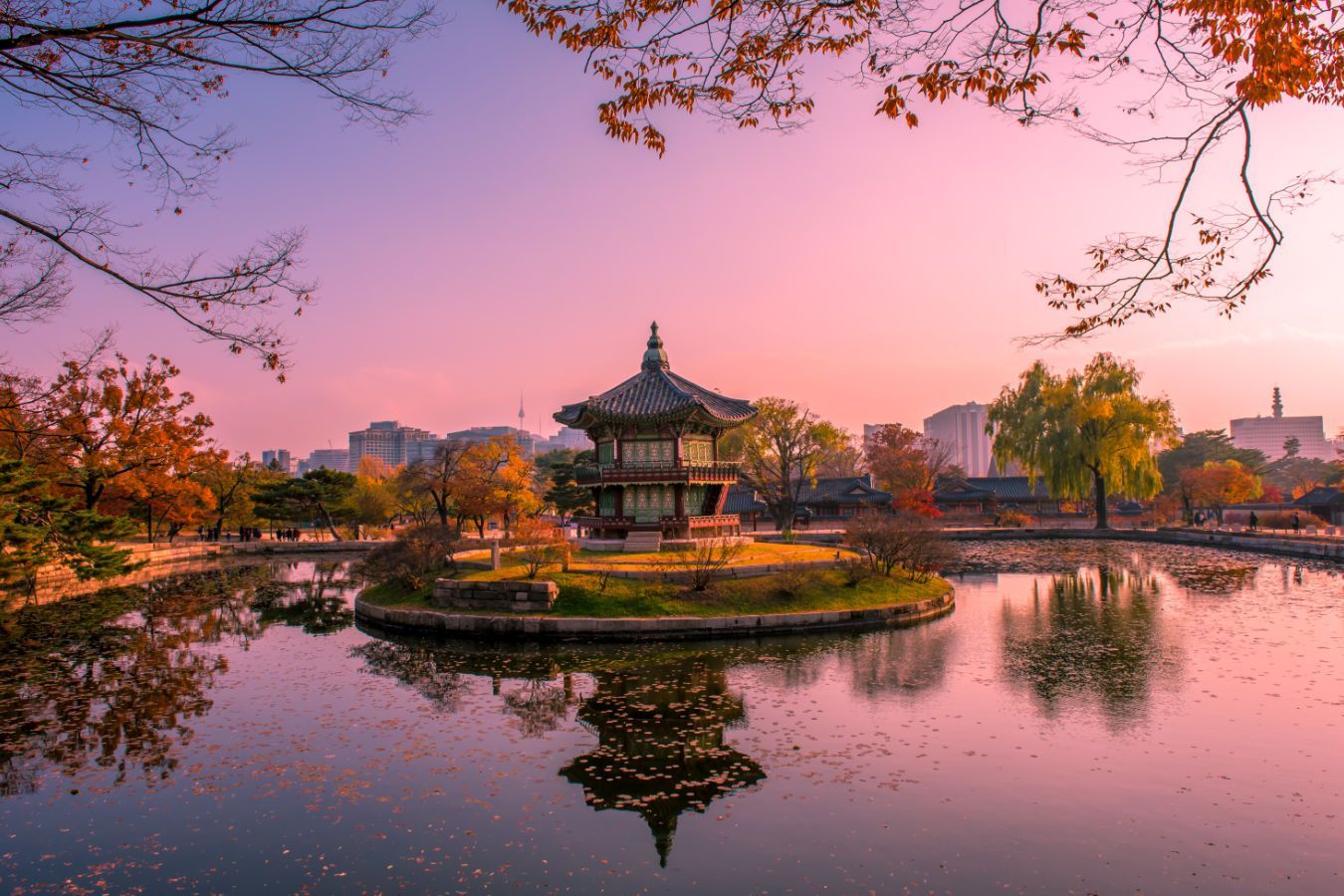
A serene view of a traditional Korean pavilion in a pond, autumn foliage, sunset.
By Althea Wyman • August 28, 2025
South Korea is one of Asia’s most captivating destinations—a place where ancient traditions and contemporary life exist in effortless balance. For travelers drawn to boutique stays, layered flavors, and meaningful cultural connection, it offers a journey that feels both energizing and deeply restorative. This is a country where hospitality is sincere, daily life is rich with ritual, and food is the natural gateway to understanding it all. A Culture That Welcomes You In Warmth and generosity are woven into Korean culture in ways visitors feel almost immediately. Care is often expressed through food, small gestures, and genuine curiosity about where you come from. Sharing a table—whether in a quiet neighborhood restaurant or a lively market—quickly transforms a visit into a relationship. Conversations unfold easily, and moments that begin as ordinary often become quietly memorable. Landscapes for Both Wonder and Ease With mountains covering much of the peninsula, South Korea offers an ever-changing natural backdrop. Temple-dotted hills, coastal paths, and island trails invite exploration at a comfortable pace. In places like Seoraksan, dramatic peaks inspire reflection, while the volcanic landscapes of Jeju Island provide a softer, elemental beauty. Each season brings its own character—blossoms in spring, deep greens in summer, vivid foliage in autumn, and crisp stillness in winter—making return visits feel entirely new. Cafés, Markets, and Neighborhood Rhythms South Korea’s neighborhoods each carry a distinct personality. Stylish cafés and dessert bars coexist with traditional tea houses, night markets, and intimate wine or soju spots. An afternoon might unfold along a quiet street lined with hanok homes, followed by an evening in a lively district filled with music, conversation, and late-night snacks—often just a short subway ride away. A Food Scene That Tells the Whole Story Food in South Korea is an expression of balance, seasonality, and shared experience. Sizzling barbecues, bubbling stews, elegant temple cuisine, and comforting bowls of rice and vegetables are accompanied by banchan—small dishes that change with the seasons and reflect regional identity. Meals are designed to be shared, turning each dining experience into an opportunity for connection, storytelling, and discovery. Living History in Everyday Spaces History in South Korea is not confined to museums. Palaces, hanok villages, Buddhist temples, and traditional markets remain active parts of daily life. In Gyeongbokgung Palace, centuries-old architecture sits confidently beside modern cityscapes, while contemporary art, design, and music continue to shape the country’s creative energy. It is entirely natural to explore a historic site in the morning and enjoy cutting-edge culture in the evening, without ever feeling removed from the authentic rhythm of the place. A Journey Designed to Be Felt For travelers ready to move beyond predictable routes and experience a destination through its food, people, and daily life, South Korea is an exceptional choice. When your journey is thoughtfully designed—with intentional pacing, meaningful experiences, and room to linger—you return home not only inspired, but genuinely connected. Explore. Savor. Connect. When you are ready to experience South Korea in a way that brings its many layers together—beautifully and seamlessly—your Setters Point journey can be crafted to reflect the way you love to travel.
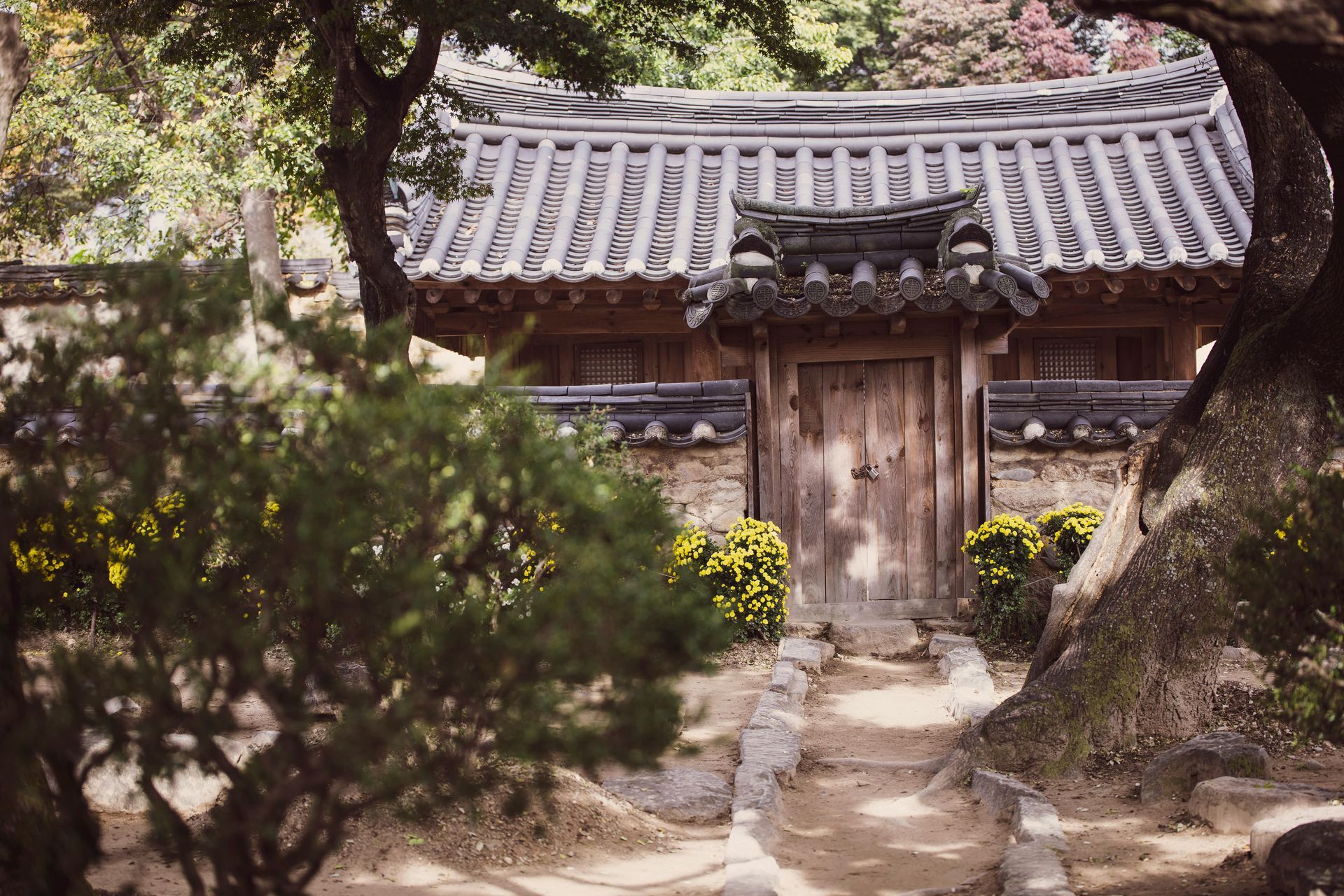
Traditional Korean wooden gate and building with tiled roof and stone path.
By Althea Wyman • November 18, 2024
The beauty of South Korea